
A Natural Perfume Ritual for Emotional Balance
Emotional balance doesn't always require big changes or complex routines. Sometimes, it begins with the senses. Natural perfume offers a simple way to create moments of grounding and awareness throughout the day. When used intentionally, scent becomes more than something you wear—it becomes a gentle ritual that helps you settle, soften, and return to yourself.
Unlike conventional perfume, natural perfume interacts with the body and emotions in a subtle, responsive way. Plant-based aromas work with your nervous system rather than overwhelming it. They offer support without force. This makes natural perfume an ideal tool for supporting emotional balance through sensory self-care. You're not adding another task to your day. You're simply bringing intention to something you might already do.
The beauty of scent as a ritual is its accessibility. You don't need special equipment or a dedicated space. You just need a moment. A breath. A willingness to pause and notice. That's where the transformation happens—not in the complexity, but in the simplicity of showing up for yourself.
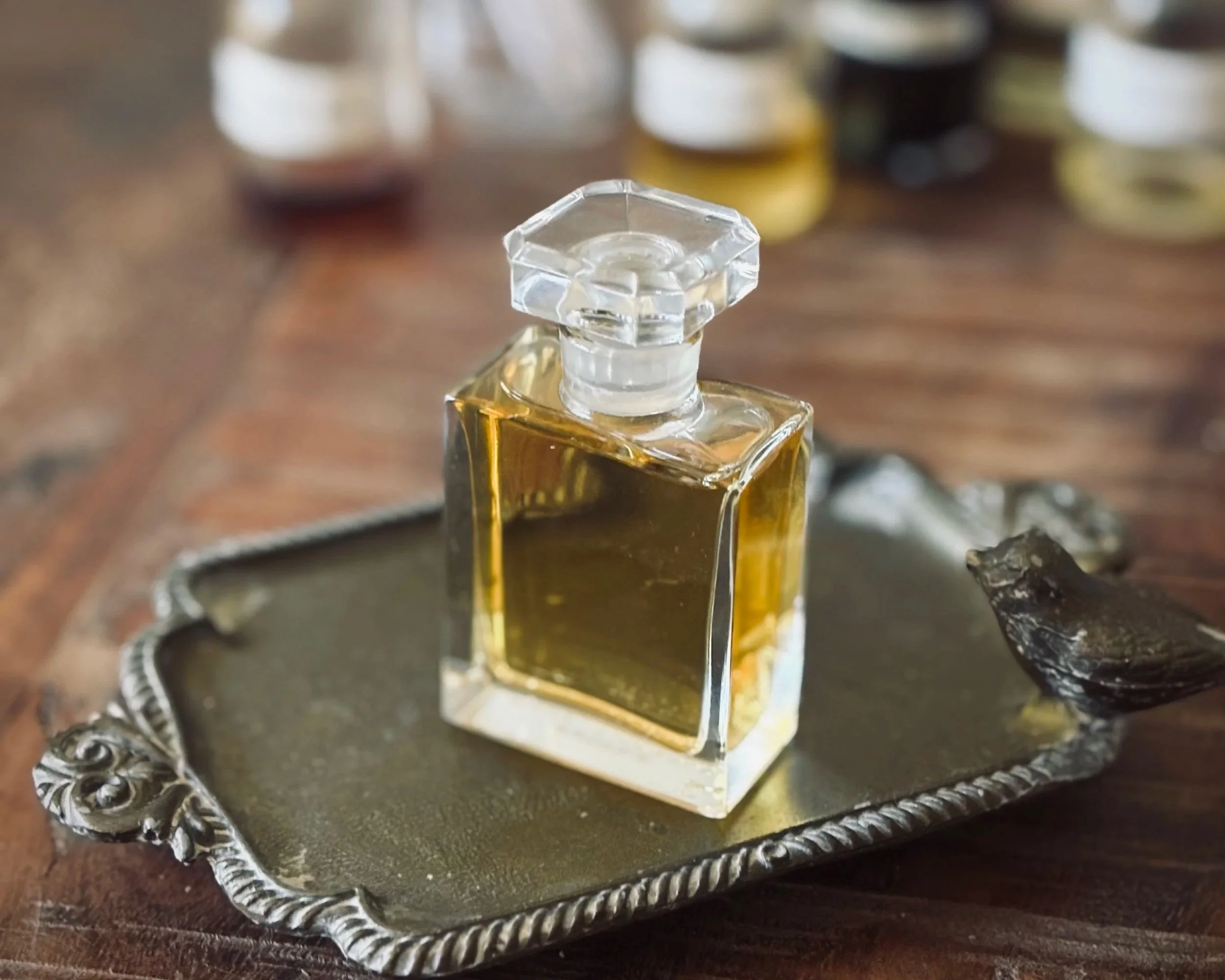
A french flacon filled with natural perfume.
Why Scent Affects Emotional Balance
Here's something that might surprise you: your nose has a direct line to your emotional brain. When you breathe in a scent, molecules travel through your nasal passages to the olfactory bulb. This structure sits right next to your limbic system—the part of your brain handling emotions, memories, and stress responses. There's no filter. No delay. Just an immediate connection between what you smell and how you feel.
This is why certain scents can shift your mood instantly. Maybe lavender helps you unwind after a long day. Or bergamot gives you a gentle lift when you're feeling low. You're not imagining these effects. Your brain literally processes scent and emotion in the same neighborhood. They're intimately connected by design.
What makes this even more powerful is that scent bypasses your thinking brain entirely. When you see something or hear a sound, that information gets filtered through your cortex first. But smell? It goes straight to the emotional and instinct center. This means a scent can change how you feel before you even realize it's happening.
Natural botanical scents work with this system in a particularly supportive way. Unlike synthetic fragrances that can feel sharp or overwhelming, plant-based aromas speak a language your body already knows. These are the scents that surrounded humans for millennia. Your nervous system recognizes them as familiar, safe, and grounding.
Think of it this way: when you smell rose or sandalwood or jasmine, your body doesn't need instructions. It already understands. These scents signal calm, presence, and steadiness without forcing anything. They're more like a gentle suggestion than a demand. Your system can receive the support or not—there's complete freedom in the exchange.
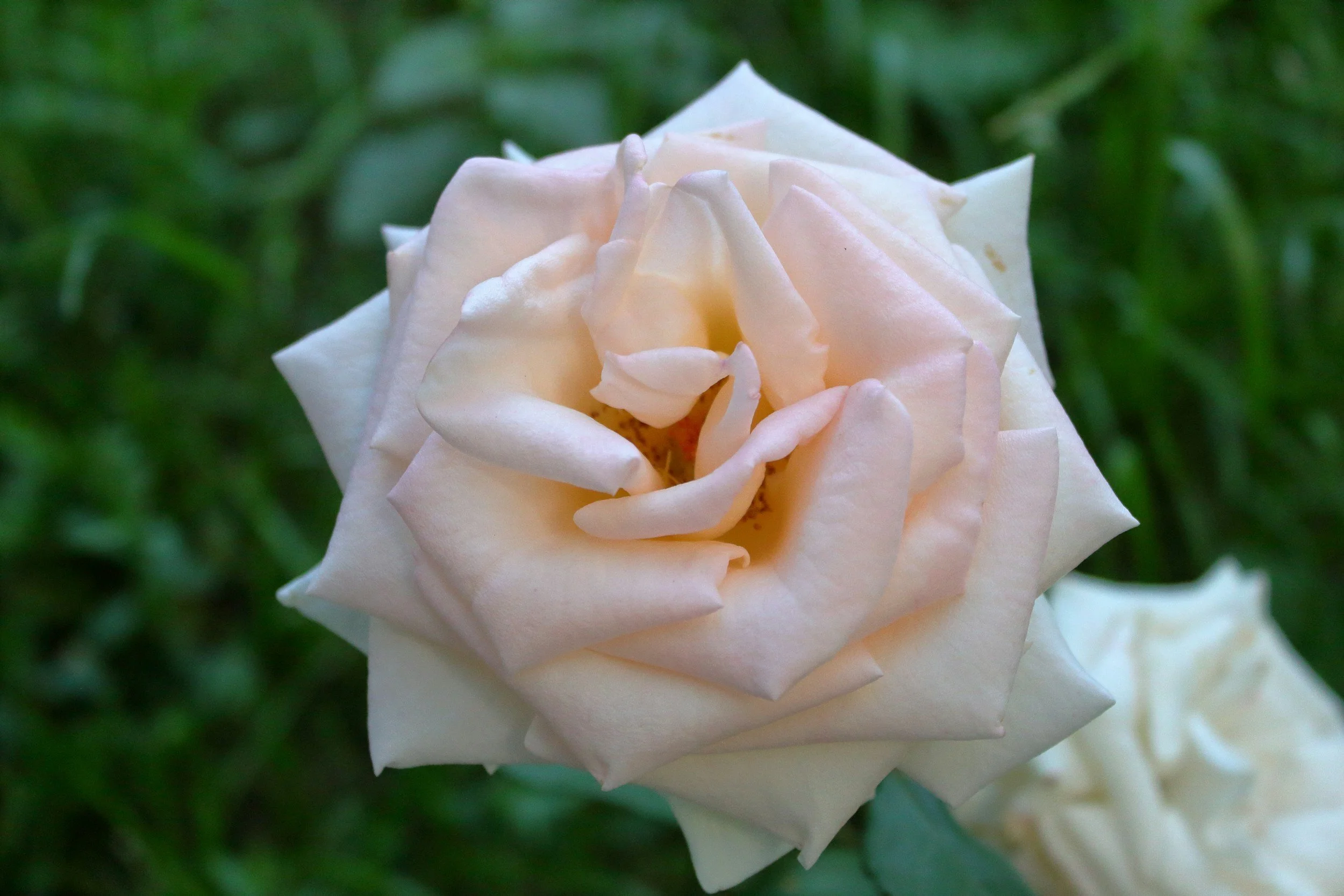
A rose is its own natural perfume.
The Connection Between Scent and Nervous System Regulation
Your nervous system is constantly scanning your environment for safety signals. It's doing this work quietly, mostly outside your conscious awareness. And one of the tools it uses for this assessment is smell. This makes perfect sense evolutionarily. For most of human history, scent helped us detect danger or find nourishment.
When you inhale a natural botanical scent, you're giving your nervous system valuable information. You're communicating something about your current environment. A grounding scent like vetiver or cedarwood can signal that you're safe enough to rest. An uplifting scent like grapefruit or peppermint can signal that energy is available for engagement.
This isn't mystical thinking—it's practical biology. Your body constantly interprets sensory information and adjusts your internal state accordingly. Natural perfume becomes a way to actively participate in that ongoing conversation. You're not just enjoying a pleasant smell. You're offering your nervous system a reference point it can use to recalibrate toward balance.
The best part? This happens naturally. You don't need to understand the science or force anything to occur. You simply wear the perfume, breathe, and let your body respond in its own wise way. The intelligence is already built in.
Turning Perfume Into a Daily Ritual
A ritual doesn't need to be complicated. You don't need candles, meditation cushions, or thirty minutes of quiet time. Sometimes the most meaningful rituals are the ones that take just seconds. Applying natural perfume with intention is one of those practices. It creates a pause—a small pocket of presence in the middle of everything else.
This pause matters more than you might realize. Most of us move through our days on autopilot mode, jumping from task to task without checking in. We forget to breathe fully. We lose connection with how we actually feel. A simple scent ritual interrupts that pattern gently. It brings you back to your body, back to this exact moment, back to yourself.
The beauty is that you're likely already wearing perfume anyway. Why not make it meaningful? This isn't about adding more obligations to your already full plate. It's about bringing awareness to something you're already doing. It's about transforming a habitual gesture into a moment of genuine self-care.
When you apply perfume slowly and mindfully, you give your nervous system permission to settle down. You create a bridge between the rushing pace of your day and the steadiness that lives inside you. This simple act becomes a signal to your body that you're safe, present, and deserving of gentleness.
Rituals work because they create consistency. When you apply perfume the same way each day, your body begins to recognize the pattern. Over time, just the act of reaching for your perfume bottle can start to cue relaxation. The scent itself deepens that response. You're building a pathway toward balance, one small moment at a time.
A Simple Natural Perfume Ritual
Ready to try this practice? Here's how to begin. Apply your natural perfume slowly to your pulse points—wrists, inner elbows, neck, or wherever feels right to you. As you do this, slow down deliberately. Notice the texture of the perfume as it touches your skin. Feel the warmth radiating from your pulse points.
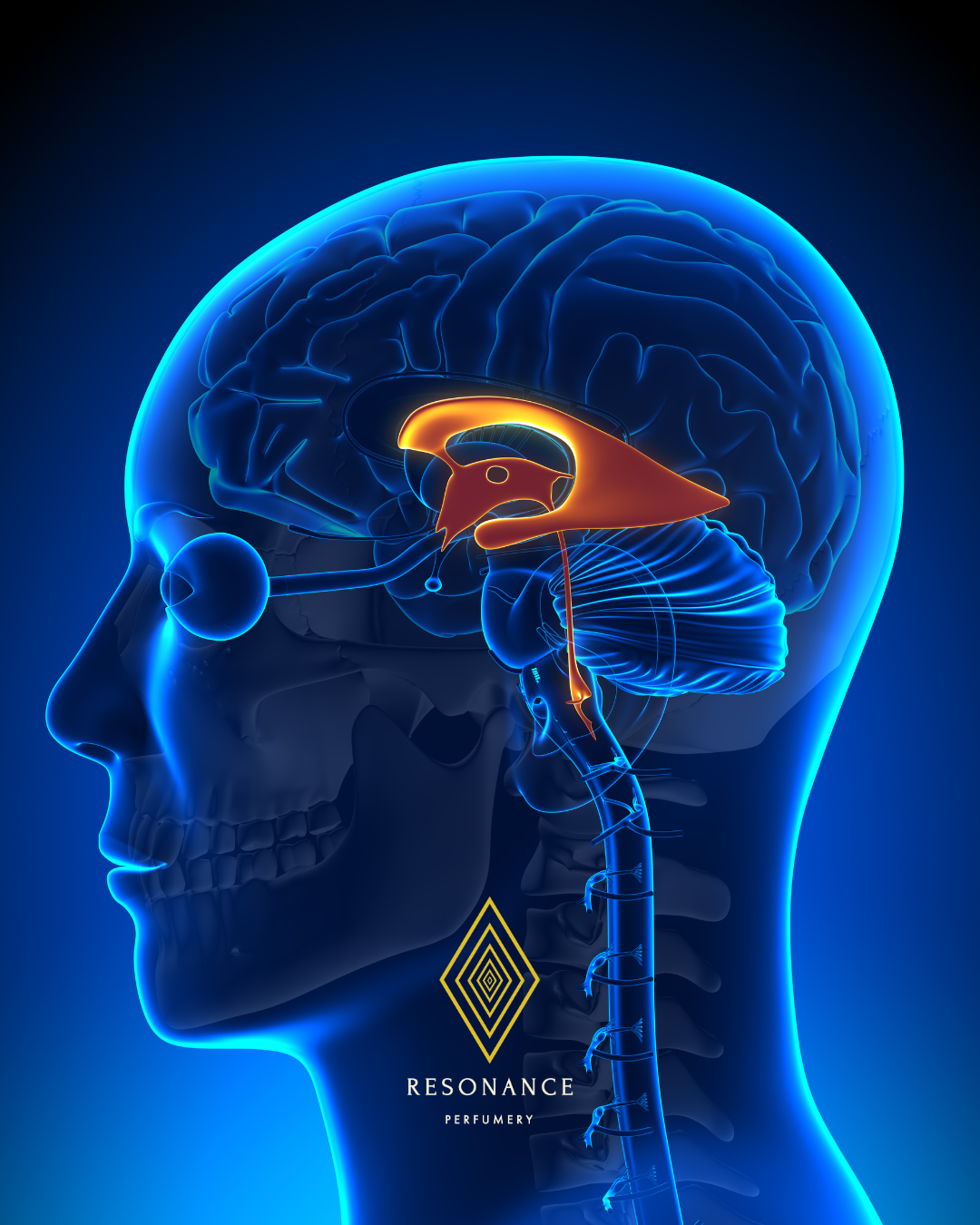
Take one conscious breath. Just one full breath. Breathe in through your nose and allow the scent to arrive naturally. As you inhale, bring your attention to the very center of your head—the intersection where a line between your ears meets a line from your third eye to the back of your skull.
This deep, soft space houses your hypothalamus, pituitary and pineal gland. It's where many traditions locate the seat of the soul and connect to intuition.
You don't need to analyze the fragrance or identify individual notes. You're not evaluating the perfume. You're simply experiencing it. By placing your awareness in this central, sacred area, you drop below thoughts and into felt sensation. Notice how the scent feels in your body rather than what it smells like to your mind.
Does it create a sense of opening in your chest? Does it soften tension you've been carrying in your shoulders? Does it bring subtle ease or a gentle energy? Trust the first insight. Whatever you notice is exactly right. Let the experience unfold organically without trying to control it. There's no correct way to feel.
I suggest closing your eyes to help you focus inward. Some people like to place one hand over their heart as they breathe. Others prefer to simply stand still. The invitation to rest your attention in this quiet center helps anchor you in pure sensory experience rather than mental commentary.
This practice works precisely because it's so accessible. You're not trying to achieve a particular state or manufacture a feeling. You're just pausing. Breathing. Noticing. Placing your awareness where scent actually registers. And in that small, spacious moment, something naturally shifts. Your nervous system recognizes the invitation to settle. Your mind gets a brief respite from constant activity. You remember what presence feels like.
Making Scent Rituals Your Own
The ritual described above is just a starting point. Once you try it a few times, you'll discover your own rhythm. Maybe you prefer applying perfume in the morning to set an intention for your day. Or perhaps evening application helps you transition from work mode to rest mode.
Some people like to say a word or phrase silently as they apply their perfume. Something simple like "I am here" or "I am enough" or just "breathe." Others prefer silence. There's no rule that says rituals must include words. Your presence is what matters most.
You might also notice that different scents support you in different ways depending on what you need. A grounding blend might feel perfect on chaotic days. A brighter, more uplifting scent might be your choice when you're feeling heavy. Natural perfume gives you options. You can match your scent to your emotional landscape.
The key is consistency without rigidity. Try to incorporate this practice daily, but don't stress if you miss a day. The ritual serves you—you don't serve the ritual. It's meant to feel supportive and nourishing, never like another obligation weighing you down.
If you're new to natural perfume, exploring scent slowly is key. A discovery set allows you to experience how different perfumes support your emotional state over time, on your own body, and in your own rhythm. You'll learn which botanical notes resonate with you. Which scents help you feel grounded. Which ones invite joy or peace or energy.
Natural perfume isn't one-size-fits-all. Your body chemistry, emotional needs, and personal preferences all play a role in which scents feel most supportive. Taking time to explore creates space for genuine discovery. You're not just finding a perfume you like—you're learning a new language of self-care through scent.
